Frequently Asked Questions
“We have seen a great deal of improvement in Aidan's posture, core strength and stability, and coordination. These improvements allow Aidan to be safer in the home, school, and community and successfully participate in activities with same age peers. Quest has truly been a game changer for Aidan. It is a very special place with highly skilled therapists providing exceptional services in a unique therapy environment.”
-
Children typically ride for 5–20 minutes, depending on their therapy goals. Hippotherapy is part of a full therapy session, combining time on the horse with activities in our other clinic spaces to support balance, strength, and functional skills.
-
The timing of your child’s mounted session depends on their individual therapy goals. Some children ride at the beginning to help warm up, focus, and prepare their muscles for other activities in their OT or PT session. Others ride at the end after completing specific exercises, so the therapist can focus on skills on the ground first before using the horse. Occasionally, we may also need to share ponies, which can affect scheduling. No matter when they ride, the session is carefully planned by your child’s therapist to make the most of therapy and keep it safe, fun, and effective.
-
It’s completely normal for children to feel nervous, especially when trying something new like therapy on a horse. At Quest, we take a gradual, supportive approach to help your child feel safe and comfortable.
Our therapists:
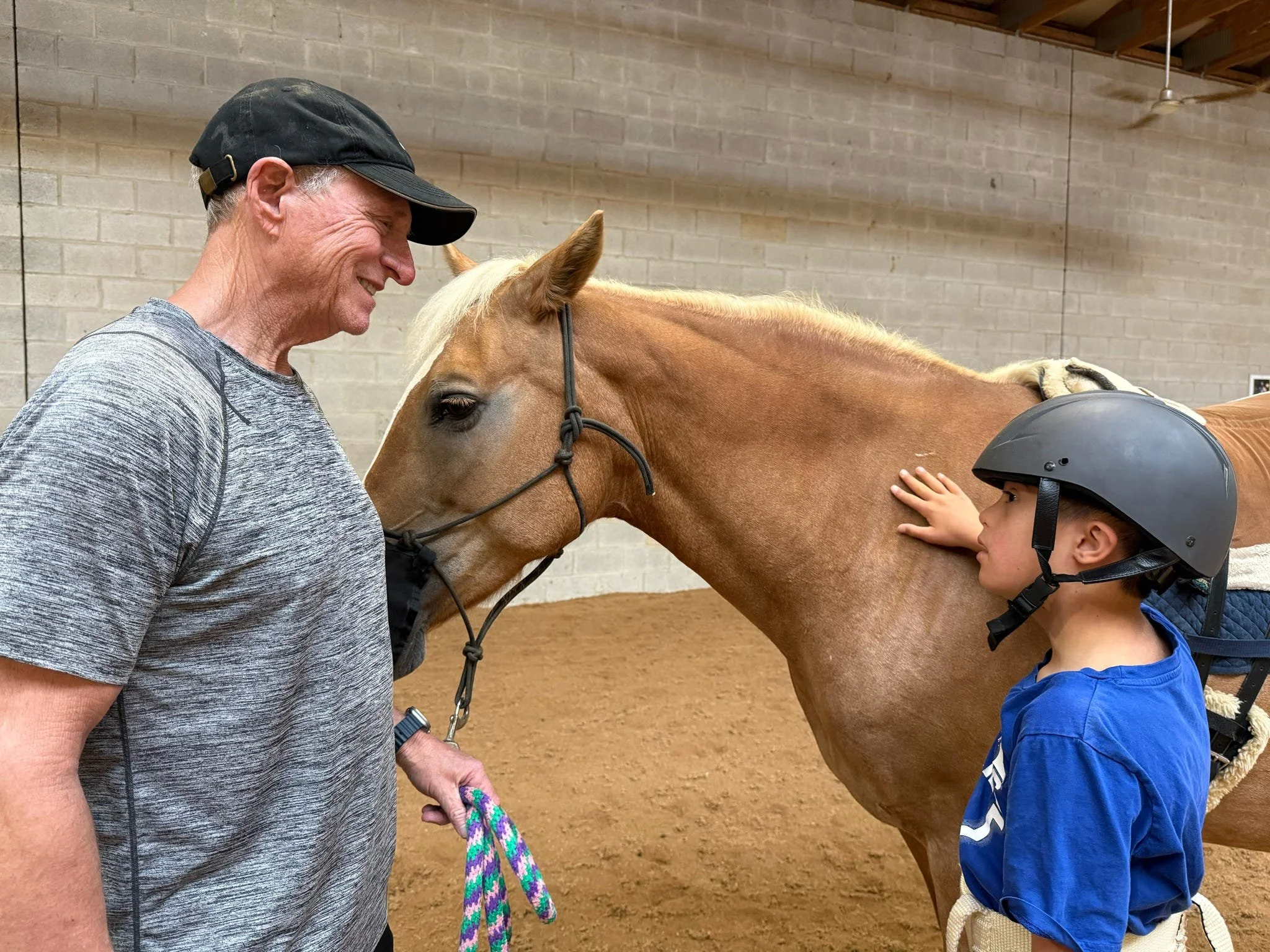
Introduce the helmet and equipment slowly, allowing your child to explore and touch it at their own pace
Use positive encouragement and familiar routines to build confidence
Offer short, gentle practice sessions before fully mounting, so your child can adjust comfortably
Celebrate small successes, focusing on the child’s comfort and sense of control
Our goal is always to make therapy enjoyable and empowering.
-
The true cost of providing a single therapy session at Quest is approximately $415. This amount reflects the full expense of delivering high-quality, specialized care, including licensed therapists, trained equine partners, barn staff, horse care, equipment, insurance, and maintaining a safe therapeutic environment.
Because insurance reimbursement and family payments rarely cover the full cost, Quest relies on grants, donors, and community support to help bridge the gap so children can continue to receive the therapy they need.
-
Quest is out-of-network with all insurance providers except Keystone First. Our contract with Keystone First allows us to bill for a limited number of clients each month (55 slots), so availability is limited.
For families paying out-of-pocket, the standard rate is $150 for a 45-minute session. To make therapy more accessible, we offer a same-day session discount of $120 per 45-minute session.
We are committed to making therapy possible for every child and work with a variety of funding sources, including:
Private donors
School districts
Community sponsorships
-
Yes! Children who have previously received services at Quest are always welcome to return. Families simply need to reapply for services so we can determine the best plan of care based on current needs and goals.
We often find that children who participate in therapy in focused “bursts” (typically 6–12 months duration), take a break, and then return are more motivated, more engaged, and often reach their goals at a faster pace during subsequent plans of care.
-
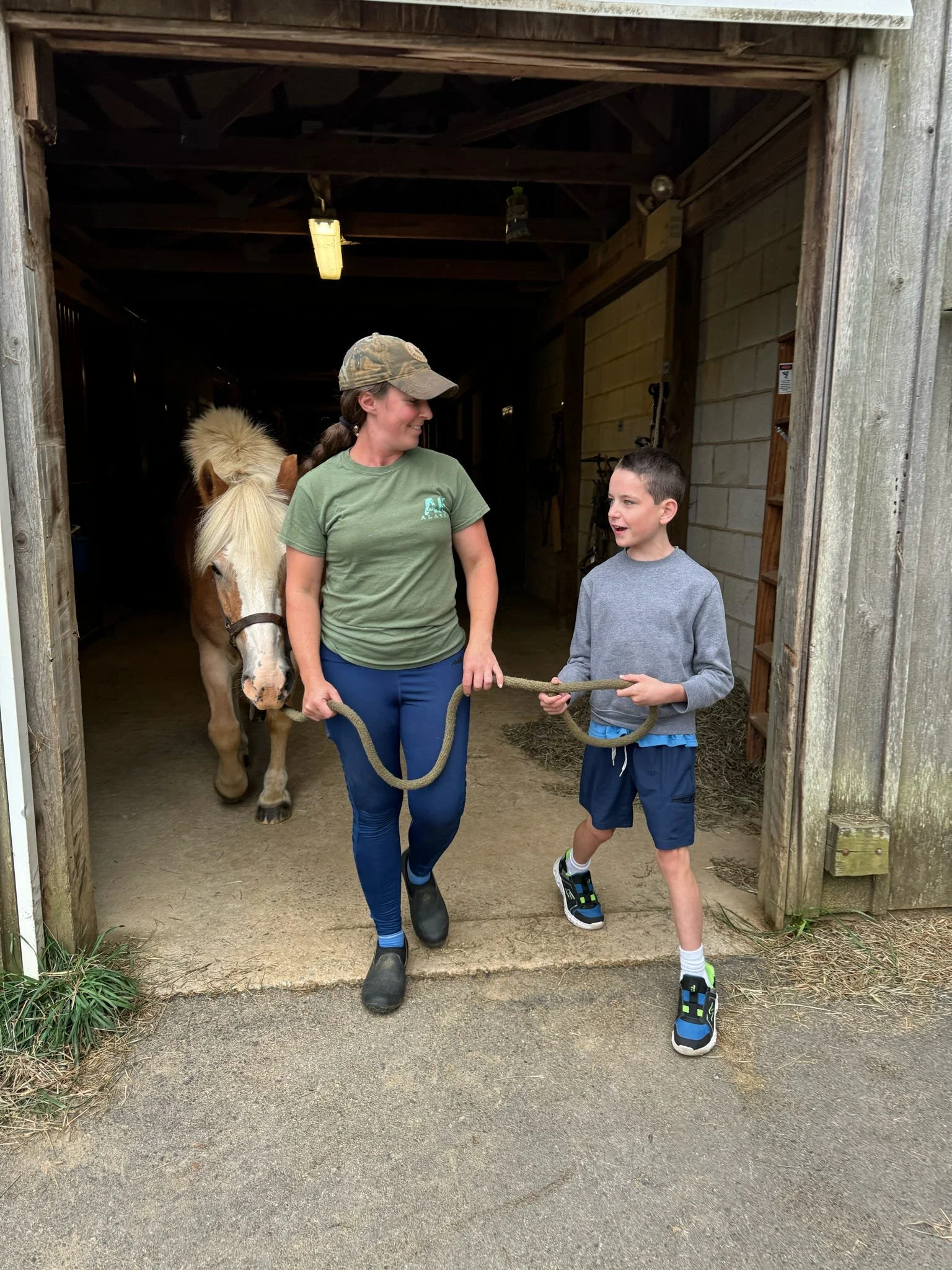
Hippotherapy is about therapy, not riding lessons. Your child won’t use reins or a saddle—instead, the horse is a special tool that helps with movement, balance, and coordination.
Each session is guided by a licensed therapist who uses the horse’s natural movement to support your child’s strength, posture, and motor skills. The focus is always on your child’s growth and comfort, making therapy safe, fun, and meaningful—rather than learning to ride for sport or recreation.
-
At Quest, we prioritize both child and horse safety, and our indoor arena allows therapy to continue year-round in most conditions.
However, mounted sessions may be paused if:
The “feels like” temperature exceeds 95°F, to prevent our ponies from overheating
There are severe weather conditions, such as cracking thunder or tornado warnings
On days when riding is not possible, your child may participate in alternative therapy exercises, including time on our Equicizer, to stay on track with their goals.
-
At Quest, we treat the whole child, not just a diagnosis. Our care is relationship-driven, highly individualized, and grounded in clinical expertise—blending traditional therapy with innovative, movement-based and nature-informed approaches.
We intentionally incorporate hippotherapy and therapeutic horse interaction as powerful tools to support regulation, motor planning, sensory integration, emotional growth, and confidence across a wide range of needs. By prioritizing meaningful progress, emotional safety, and family collaboration, we create an environment where children feel regulated, motivated, and genuinely supported.
At Quest, therapy isn’t about checking boxes—it’s about building skills that translate to real life, all while having so much fun.
-
At Quest, we create individualized plans of care for every child. These plans include short-term goals at three months and long-term goals at six months, ensuring therapy is consistent, purposeful, and tailored to your child’s needs.
Because progress in pediatric therapy relies on regular, ongoing sessions, we are generally unable to accommodate just a few visits, as it would be difficult to achieve meaningful outcomes in such a short time.
However, for families looking for a focused burst of therapy, we offer summer intensive programs from June through the end of August, designed to provide concentrated therapy while still meeting individualized goals.
Our team will always work with families to find the best schedule to support your child’s growth and success.
-
Both Occupational Therapy (OT) and Physical Therapy (PT) are provided by licensed therapists, but they focus on different goals for your child:
Physical Therapy (PT) helps children develop strength, balance, coordination, posture, and gross motor skills—all of which support walking, standing, and overall mobility.
Occupational Therapy (OT) focuses on fine motor skills, daily living activities, sensory processing, and functional independence, helping children do tasks like feeding, dressing, and using their hands effectively.
In hippotherapy, the movement of the horse is used as a therapeutic tool to support both OT and PT goals:
PT may use the horse’s movement to improve core strength, balance, and postural control.
OT may use the movement to enhance coordination, motor planning, and functional skills, sometimes incorporating hands-on activities while on the horse.
-
Yes. Quest offers scholarship funding to eligible clients when funds are available. Scholarships are awarded for a six-month period and are based on a combination of financial need, mitigating circumstances, and current available funding. Families interested in being considered will be asked to complete a scholarship application and provide basic financial documentation. All information is kept strictly confidential. Availability and award amounts may vary depending on current scholarship funding.